The first Christmas arrangement of the season usually lands on my desk in July, when the Costa Blanca is baking and singing about frost and candlelight feels faintly absurd. I open the folder anyway. A Christmas programme needs more lead time than almost anything else I direct, and the main reason is that everyone in the audience already knows the music.
The Challenge of the Familiar
When I plan a spring concert, I can introduce people to songs they have never heard. At Christmas, the audience arrives with the repertoire already inside them. They learned “O Come All Ye Faithful” as children, and they hold firm opinions about how fast “Jingle Bells” should go. Each carol comes attached to a kitchen, a grandparent, a church or a certain year, and a choir singing it has to meet all of that.
I think of a Christmas programme as a conversation with memory. My task is to honour what people bring with them and still give them a reason to listen closely.
Music Made for the People in the Room
It helps me to remember that Christmas music has always been shaped around the people singing and hearing it. The Festival of Nine Lessons and Carols feels ancient, yet King’s College, Cambridge held its first one on Christmas Eve 1918, introduced by the young dean, Eric Milner-White. He adopted the format from the Truro carol service, which dates back to Christmas Eve 1880. He had returned from a war that left deep wounds, and he had to consider how to tend to what soldiers had brought home with them. The service was built for the people in front of him.
I find that freeing. A Christmas programme is allowed to be designed for the actual people who will be sitting in the hall, whatever the carol-service tradition says.
Shaping the Evening
A festive programme needs more than a pile of favourites. I plan the evening so that it can laugh and be still, and the order in which it does each matters a great deal. Warmth and energy at the start tell the audience they are welcome to relax into the season. Later in the programme I like to place a piece that asks the room to go quiet, because the silence after it is part of the music. After that the programme can lift again and head toward something the audience can almost sing along with.
I am wary of placing two pieces of the same mood next to each other, however lovely each one is. Christmas songs lean on sentiment, and a long run of gentle ones can blur together until the audience stops hearing them.
Keeping Old Songs Fresh
A familiar carol can sound new when it arrives in an unexpected arrangement or in the right choir’s hands. Each of my four choirs brings a different strength to this.
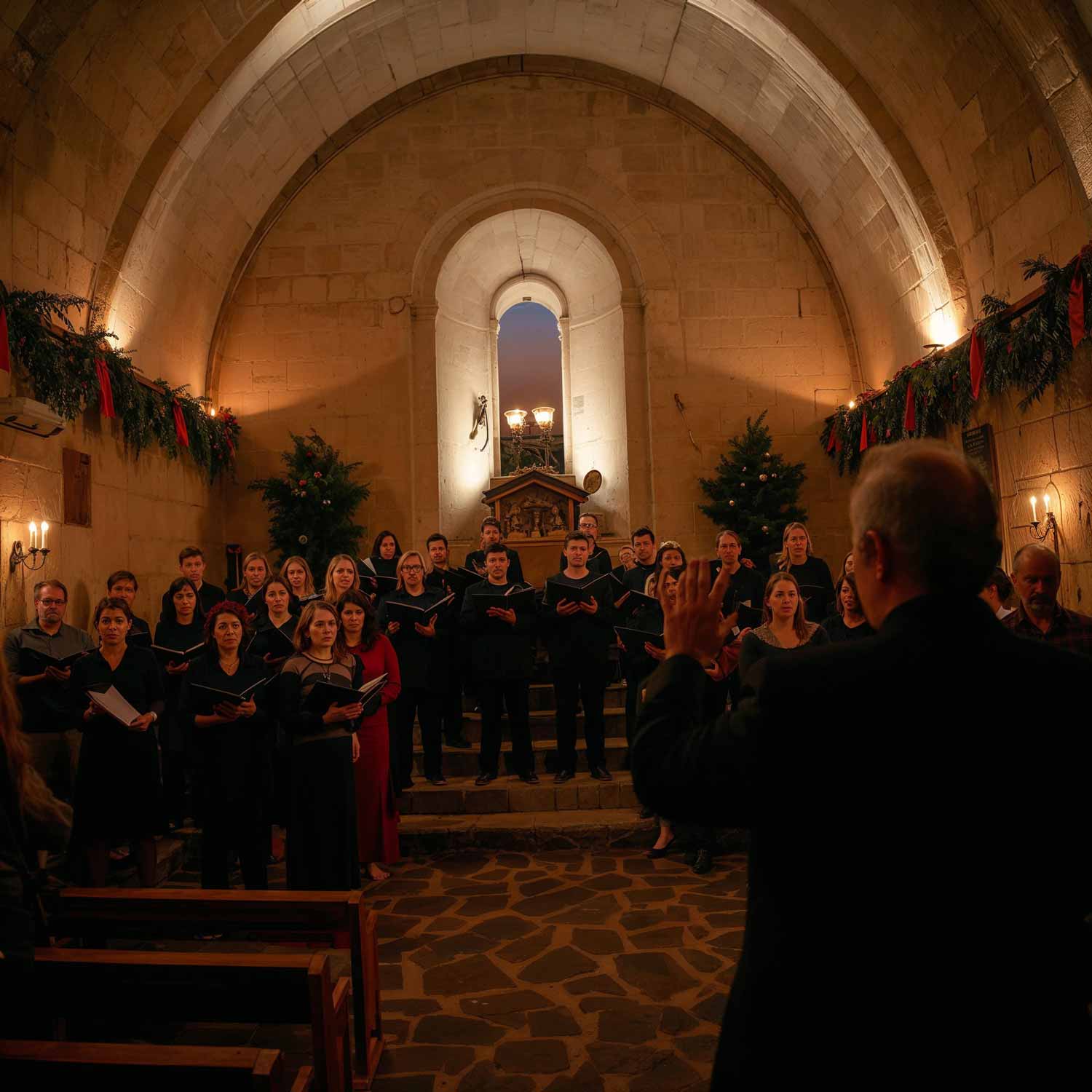
Cantãmus has the four-part blend to let an unaccompanied carol glow in a stone-walled space. Canto Mundial, with singers from seven nations, can offer Christmas music from different countries and languages. TheatreSong Collective loves a song with a story and a character at its centre, which opens up a very different side of the season. The Vall del Pop Singers bring a warmth and joy that turns a familiar favourite into a shared celebration.
I also like to leave room for a few pieces the audience has never met. A concert made entirely of the expected would be pleasant, but I want people to leave having discovered at least one song they will hum on the way home.
The Spanish Voice
Living and working here means my audiences are a mix of expats and Spanish neighbours, and the villancico tradition gives me a way to speak to both. “Campana sobre campana” is of Andalusian origin, and “Los peces en el río” is often said to carry a Moorish influence. The author of the first is unknown, and it has been translated into dozens of languages.
Including a villancico in a programme is a courtesy to the country that hosts us. It also gives the Spanish members of the audience the pleasure of hearing their own childhood sung with affection, and it offers visitors a tune that feels strangely familiar even on a first hearing.
Preparing the Music
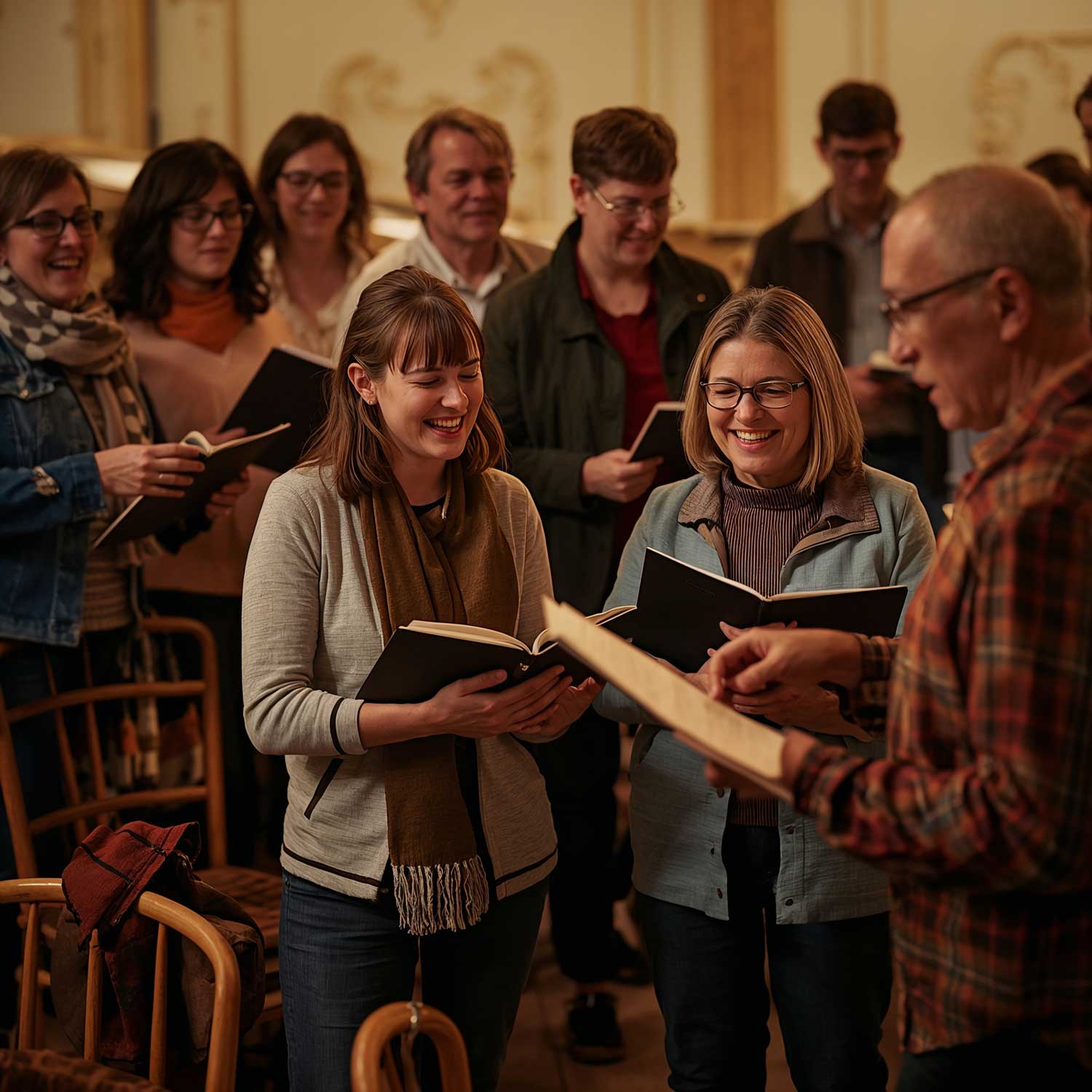
December rehearsals are always squeezed by travel, family visits and the general busyness of the season, so most of the learning has to happen in the autumn. That means a choir is working on carols while the evenings are still warm, and it can take a little imagination to find the mood.
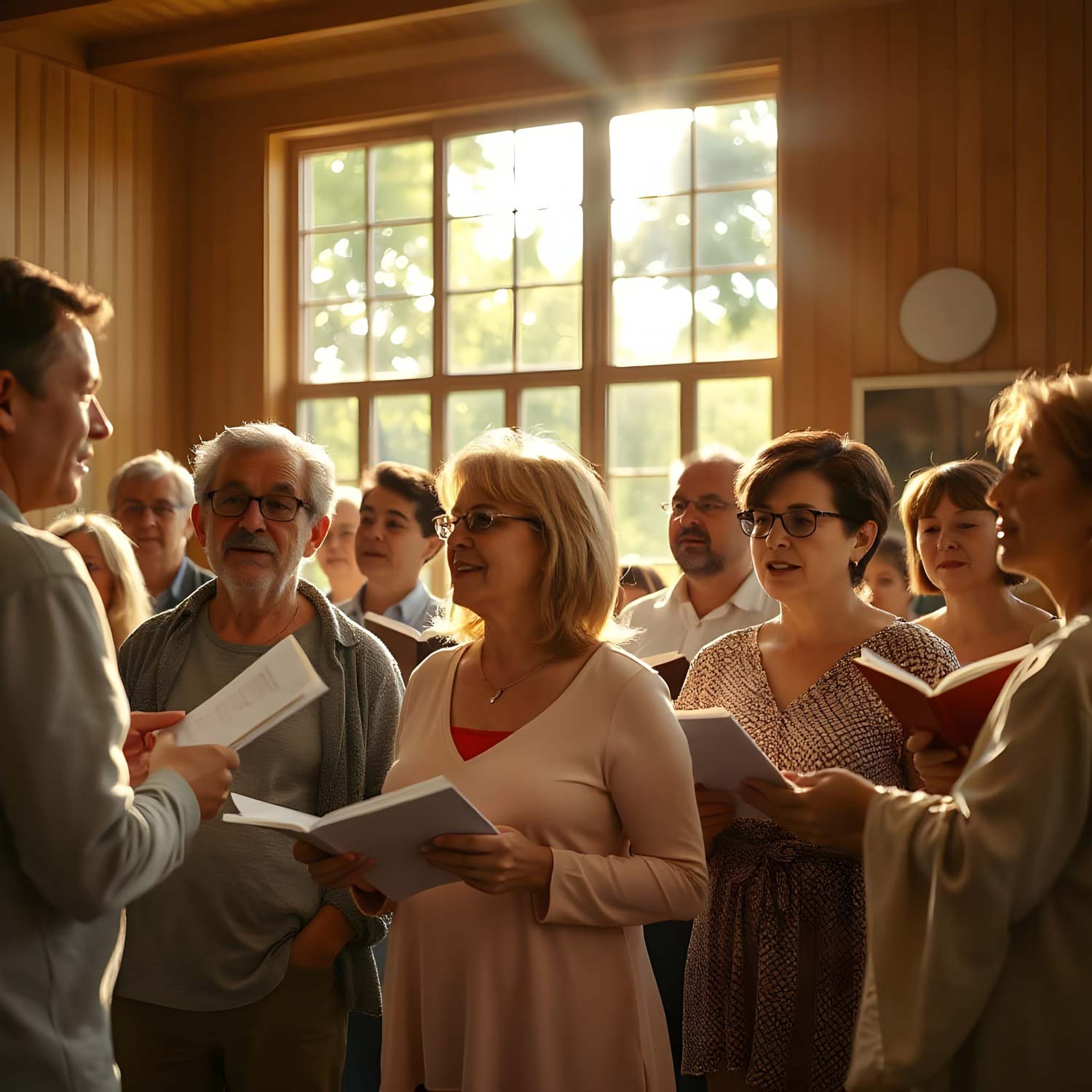
My answer is to treat carols as seriously as any other piece in the programme. We start with the words. Because the texts are so familiar, singers often stop thinking about what they are saying, so I ask them to speak a verse aloud and tell me what it means to them. The difference in the singing is immediate.
The simple carols often need the most care. A song with few notes and a plain tune has nowhere to hide, and getting the phrasing, the breath and the dynamics exactly right takes patient work. When the choir manages it, the result is often the most moving moment of the evening.
What People Bring With Them
A Christmas audience carries a great deal into the room. Some people come full of anticipation. Others come with a memory of Christmases gone by, or with an empty chair waiting at their own table this year. A good programme leaves space for all of that, and it can only do so if it is not too eager to be cheerful every minute.
Then it gets to turn toward celebration, which is the point of the whole exercise. I want the final piece to send people out into the night warmer than when they arrived. When the last chord settles, and the audience begins to reach for coats and scarves, still smiling and still humming, I know the choices were right.
If you would like to read more about how I plan a concert from the first idea onwards, my earlier article, Choosing a Repertoire: How Do You Pick the Right Songs?, covers the thinking behind it.