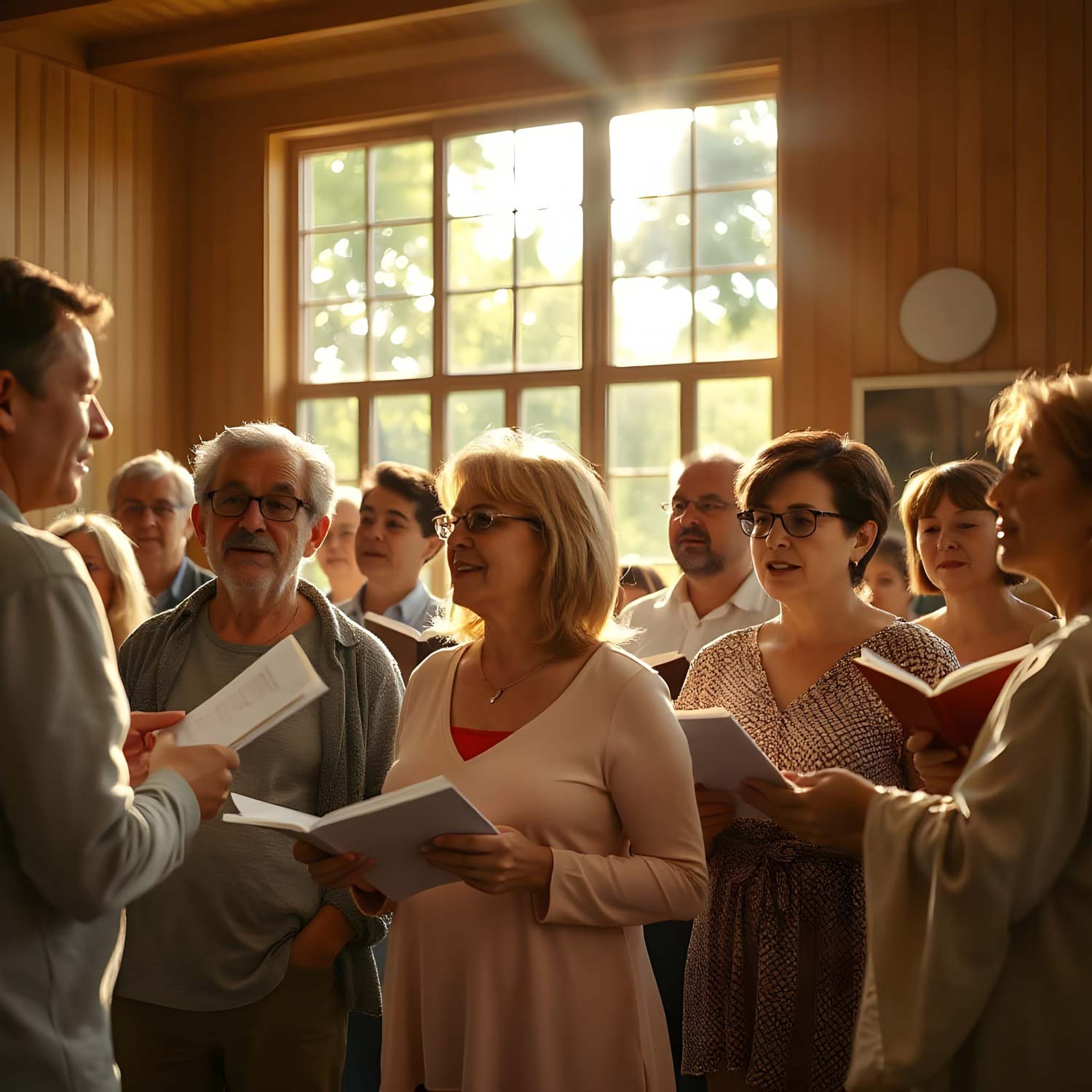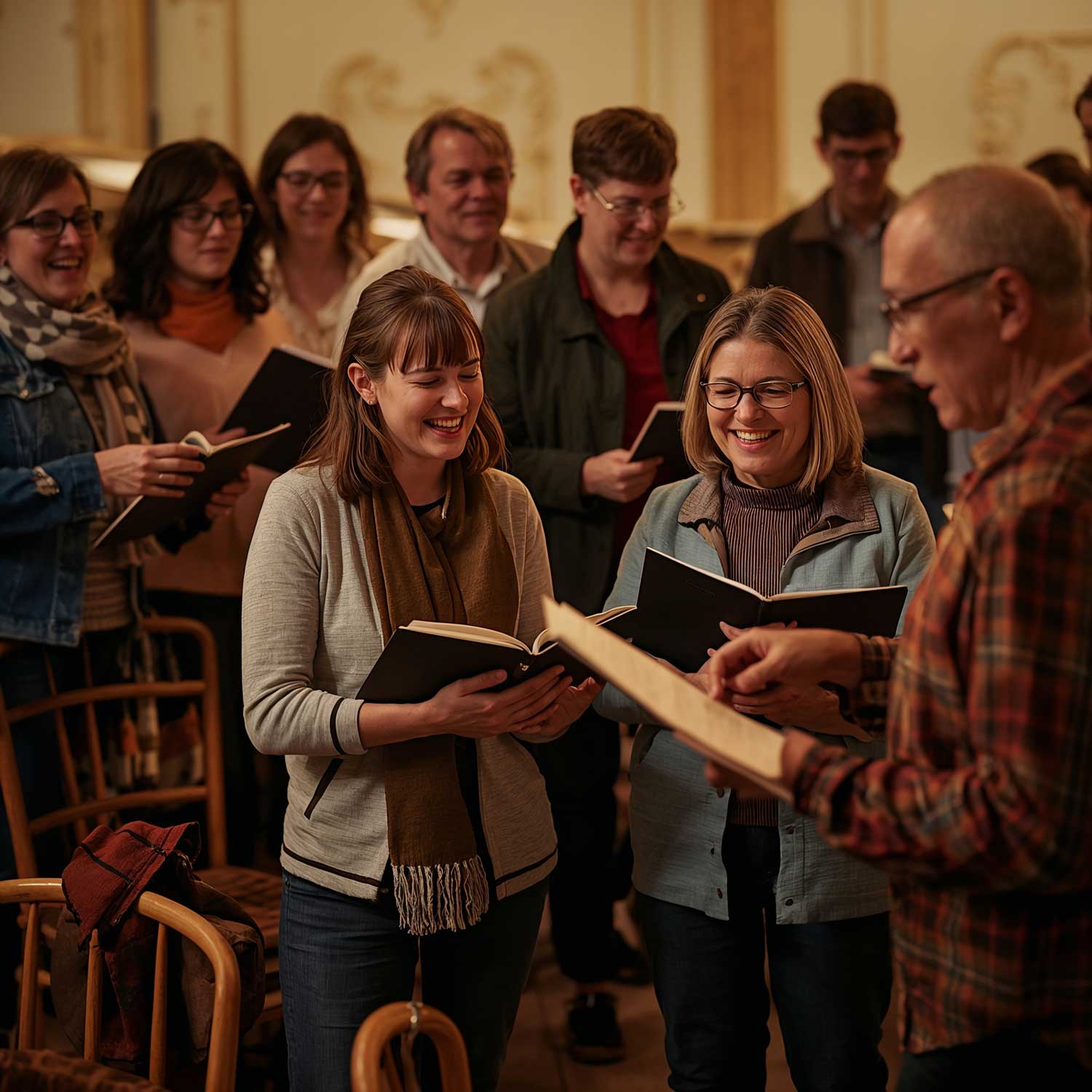
Every September, when rehearsals start again, I watch the same thing happen. People arrive a little tentative, carrying folders and cups of coffee, and within twenty minutes of the first warm-up, the whole room has changed. Shoulders drop. Chat about the summer heat or a grandchild’s visit gives way to laughter over a missed entry. Then someone lands a chord that locks into place, and everyone hears it at once.
I have been directing choirs on the Costa Blanca for a long time, and what keeps people coming back has become clear to me. Whether I look at the singers on the risers or the audiences filling the seats at our concerts, the answer seems the same. Music does something to us that nothing else can.
The body remembers what the mind forgets
Singing is a physical act. You breathe more deeply than you do while sitting at a desk or scrolling through your phone, and your posture lifts without anyone telling you to stand taller. Studies have linked group singing with lower stress and improved mood, and I believe them because I see the evidence every week. People walk in tired from the day and walk out looking refreshed and regenerated.
There is also the matter of memory. Many people who struggle to recall what they had for lunch can still produce every word of a song they learned decades ago. Melody seems to live somewhere deeper than ordinary recollection, and singing together is one of the few activities that reaches it.
A room full of people listening
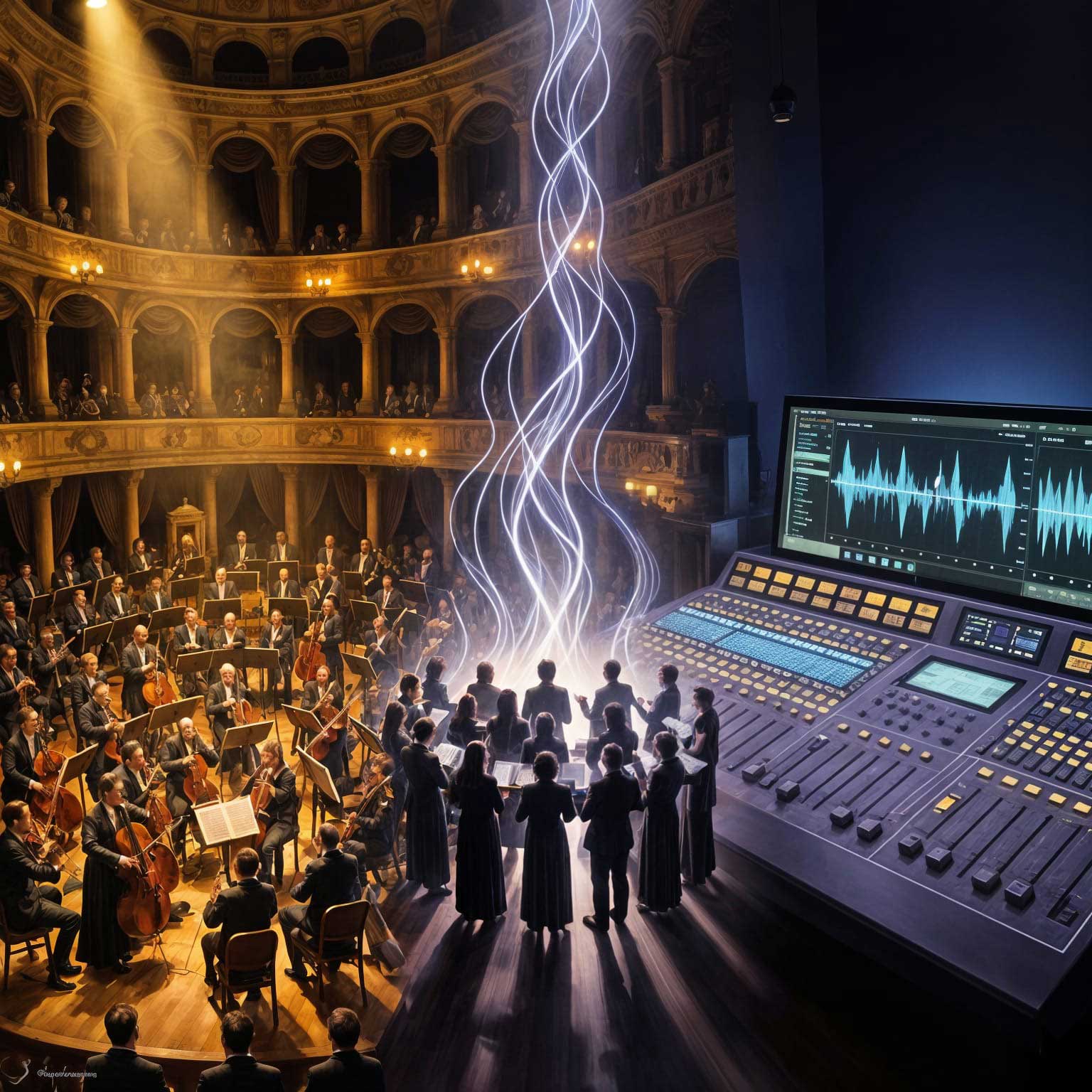
Harmony cannot be sung alone. To sing your own line well, you must hear the people beside you, adjust to their tuning, breathe when they breathe, and trust that they will carry their part while you carry yours. That kind of attention is rare in modern life, where so much of our time goes to talking over one another or waiting for our turn to speak.
When a choir gets it right, the result is a sound that none of its members could have produced on their own. For many singers, it comes as close to being completely present as anything in daily life. For two hours, the worries stay outside the door.
Belonging, far from home
On the Costa Blanca, many of our members live a long way from the places where they grew up. Family is a flight away, and starting over in a new country can be lonely even in the sunshine. A choir offers a standing appointment with people who are glad to see you.
Each of my four choirs has its own character. Cantãmus sings four-part harmony, and Canto Mundial gathers singers of many nationalities who share songs mostly in English. TheatreSong brings the stage into the rehearsal room, while Vall del Pop Singers welcomes anyone who wants to sing, whatever their experience. The repertoire differs from one to the next, yet the friendships that form in each of them look remarkably similar. People find out who is recovering from an operation, whose daughter is getting married, and who needs a lift to the next rehearsal. The music is the reason they gather, and the community is the reason many of them stay.
The people in the seats
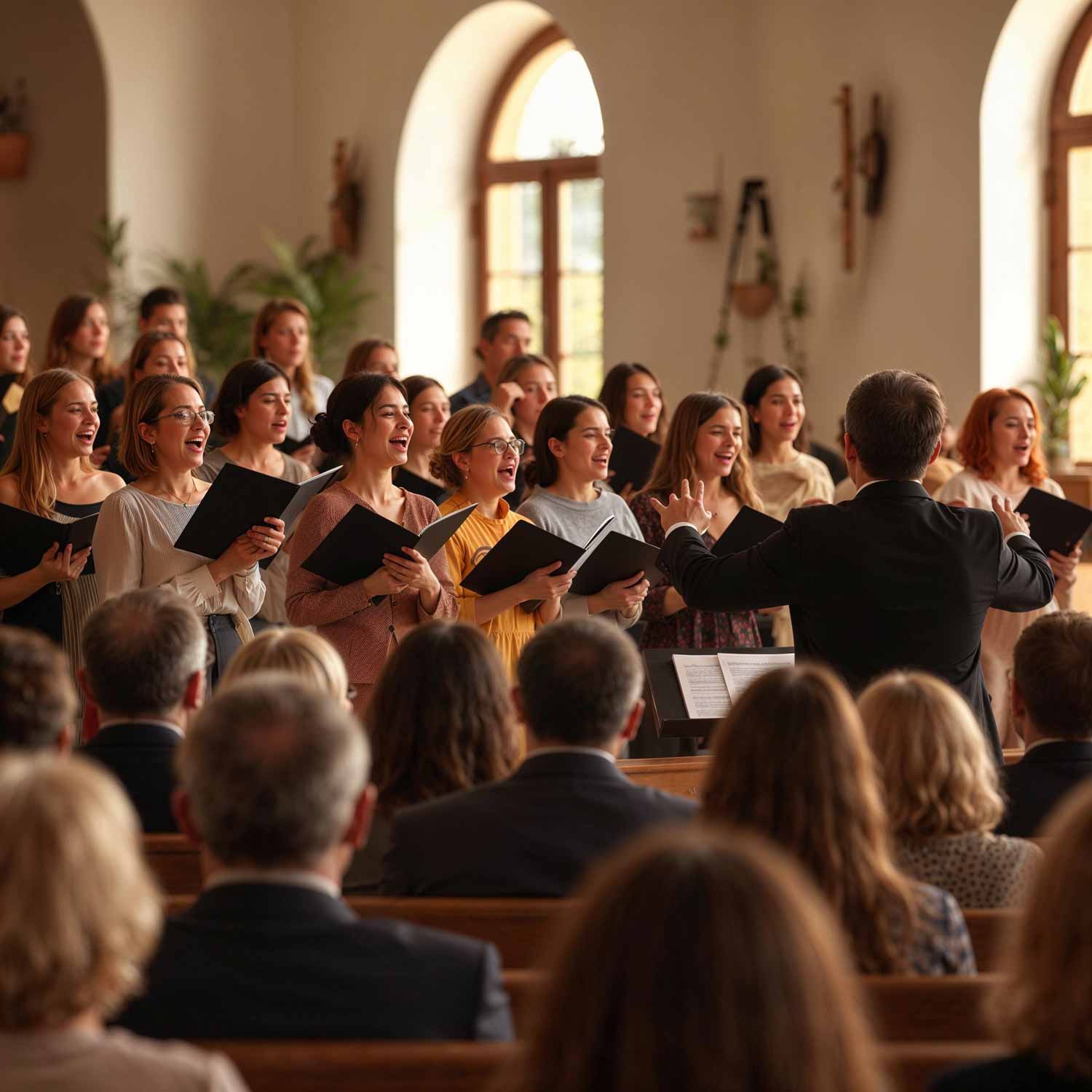
Audiences return year after year as well, and I think they come for the same reason. A concert gives them the chance to see neighbours and friends transformed, standing together and offering something generous. Plenty of people in the audience have a husband, a wife, or a lifelong friend in the choir, and the pride in that room is something you can feel from the stage.
There is a particular hush that falls just before a quiet song begins. A whole room stops rustling programmes and waits. In that pause, the line between performers and listeners disappears, and everyone present is part of the same moment.
There is always another song
Another reason singers keep coming back is that a choir never runs out of things to learn. A piece that seemed impossible in October is being sung from memory by December, and the sense of progress is one of the great quiet rewards of the work. Nobody is ever finished. There is always a new arrangement to unpick, a tricky passage to polish, or a song from another country and another century waiting to be discovered.
I have learned a great deal as a musical director, and the most important lesson is that talent is only a small part of what makes a choir thrive. Willingness matters far more. If you are willing to turn up, to listen, and to sing a little more bravely each week, you will be welcomed, and you will improve.
Join us
So why do we keep singing? Because it makes us healthier and happier, and because it connects us to people we might otherwise never have met. It also gives us something to look forward to, week after week and season after season.
If you have been thinking about joining a choir, consider this your invitation. And if you would rather listen, come along to one of our concerts and take a seat. Either way, you will be among friends.