There's a particular quality to the light along the Costa Blanca in late August. It softens a little earlier in the evening, and the cicadas seem to know something we don't quite want to admit yet: summer is winding down.
Every theatre has a green room — a place to relax, connect, and be yourself before the show. This is mine. I'll be writing about singing, performance, wellbeing, and life behind the scenes. I hope you'll enjoy it.
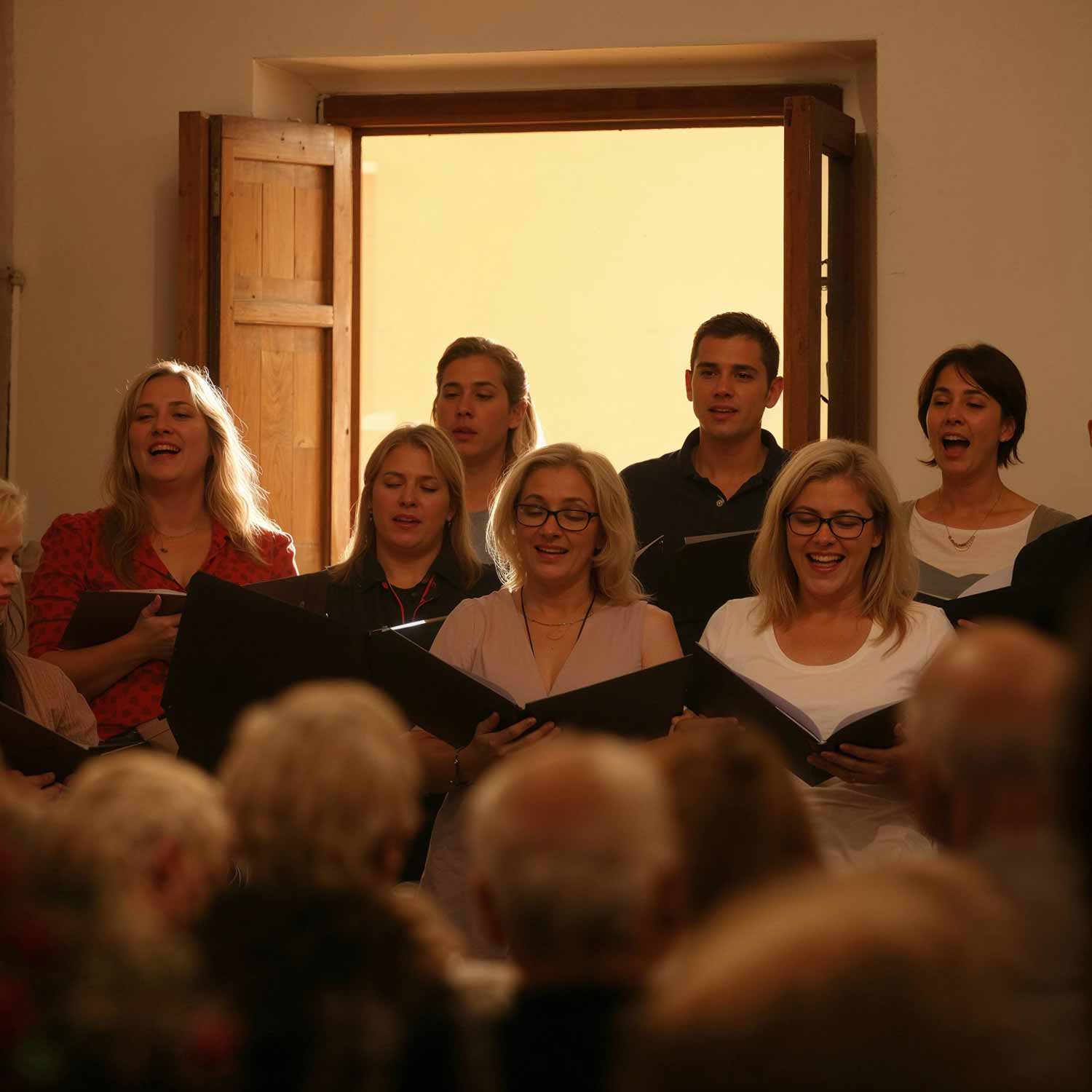
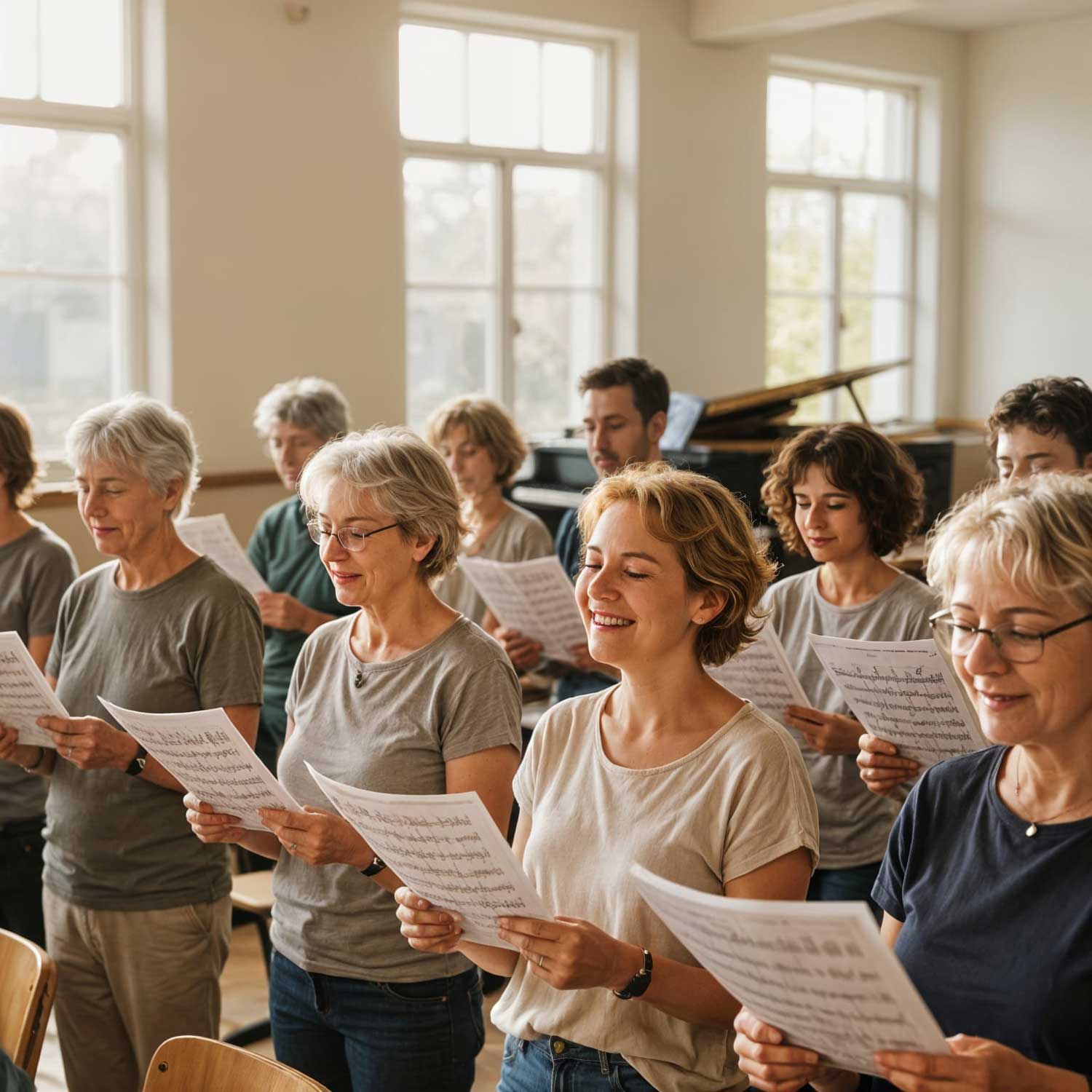
There is a moment near the end of every concert I direct when I stop conducting and just listen. The final chord is still hanging in the air, and I watch the faces in front of me instead of the ones behind. What I see is never polish. It is joy, relief, pride, sometimes tears. That moment is the reason I have spent twenty years of my life doing this work on the Costa Blanca, and it is the reason I want to talk today about something I believe deeply: amateur performers are not the understudy to professional music. They are its heart.
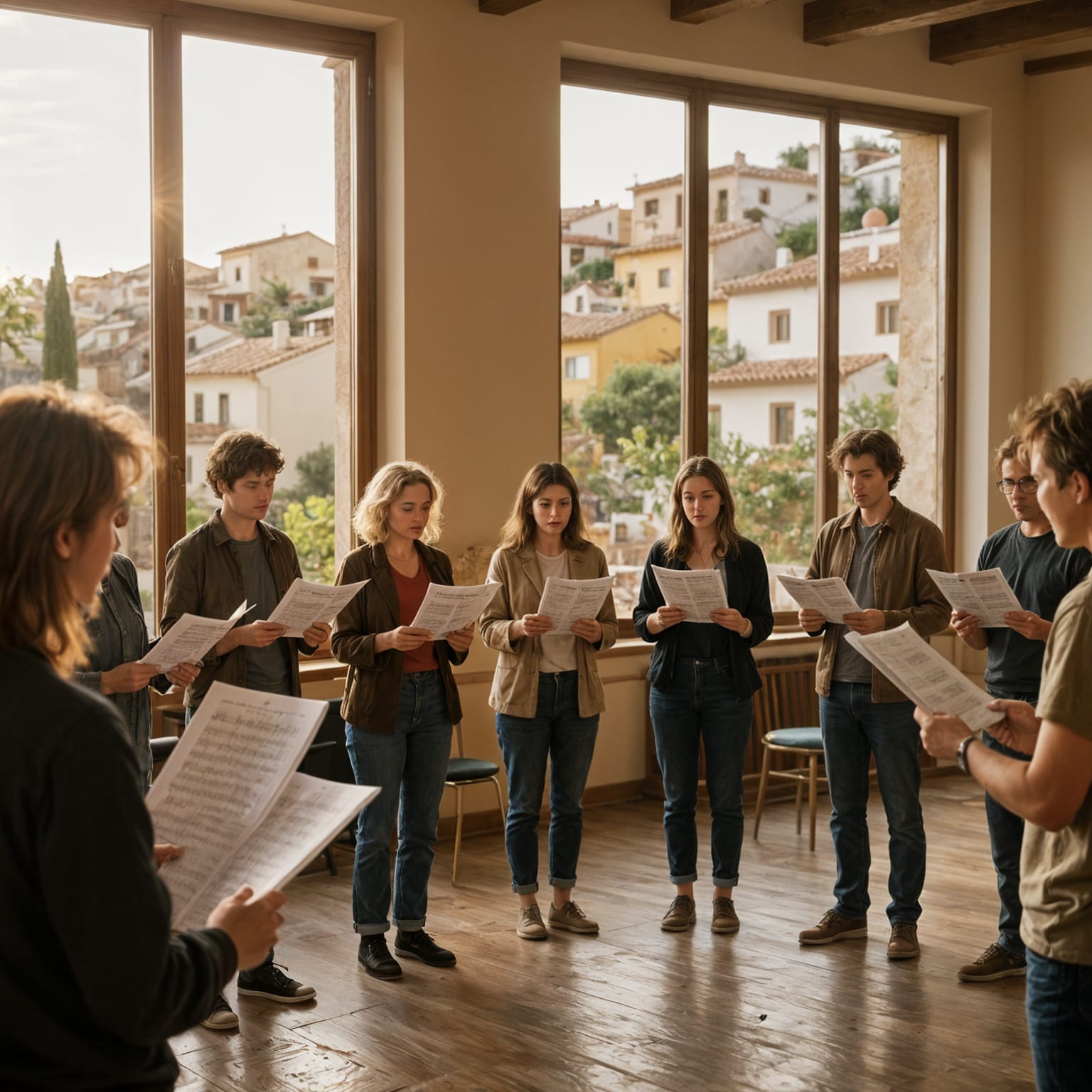
There is a moment in every Canto Mundial rehearsal that I love more than almost any other. It happens when a singer, halfway through learning a phrase in a second language, suddenly stops worrying about the words and simply sings. The vowel opens, the shoulders drop, and for a few bars the language stops being a barrier and becomes the music itself.
When people hear the word "choir," they usually picture rows of singers all blending into one big sound. That's a wonderful thing, and it's exactly what some of my other groups do beautifully. TheatreSong Collective was built to be something else. It's a place where the group sound matters, and so does the individual voice within it.
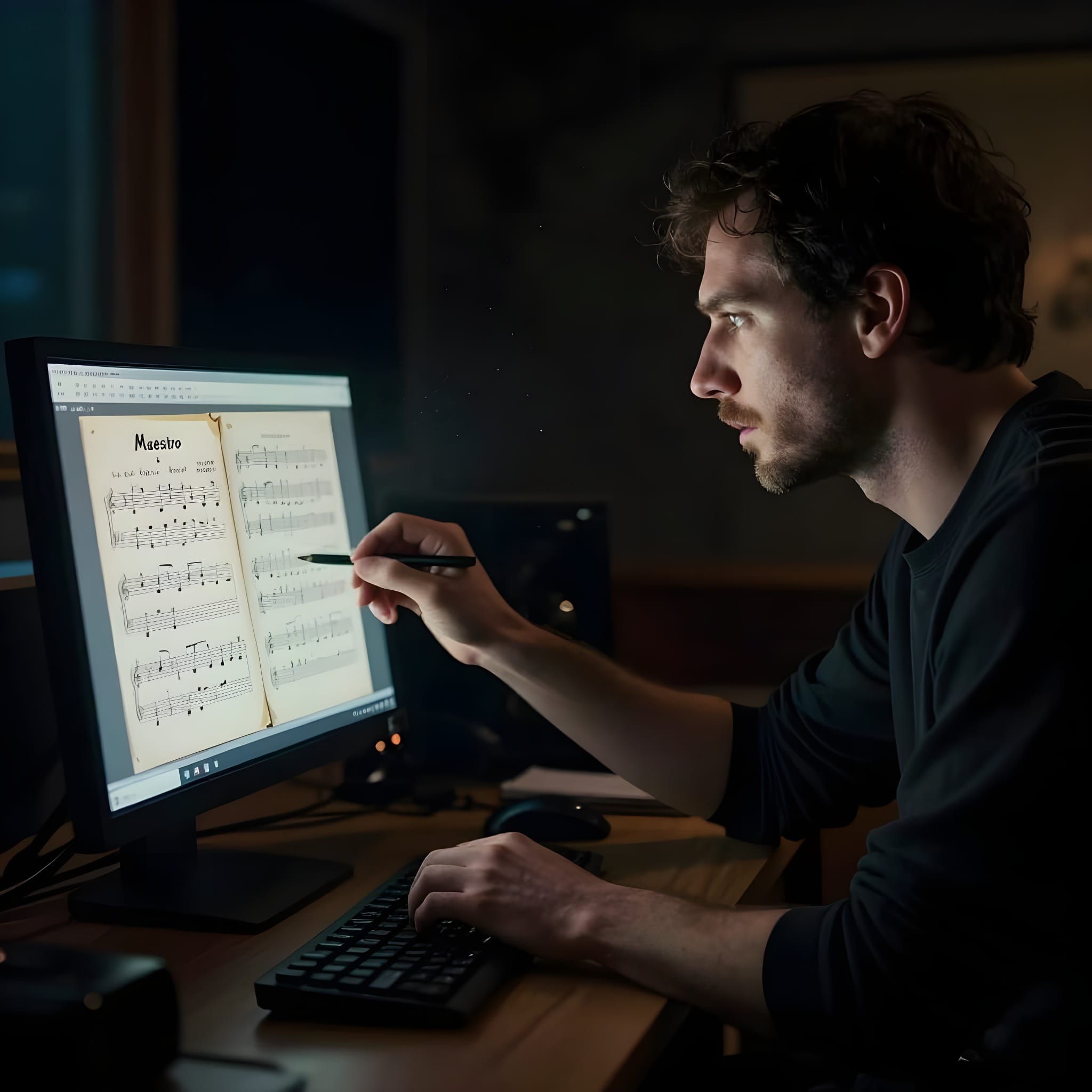
People often ask me what a musical director actually does. And I understand the question, because from where the audience sits, the hard work is invisible by design. You arrive, you settle into your seat, the music begins, and if everything has gone well, it feels effortless. Natural. Almost inevitable.
It isn't.