There is a moment near the end of every concert I direct when I stop conducting and just listen. The final chord is still hanging in the air, and I watch the faces in front of me instead of the ones behind. What I see is never polish. It is joy, relief, pride, sometimes tears. That moment is the reason I have spent twenty years of my life doing this work on the Costa Blanca, and it is the reason I want to talk today about something I believe deeply: amateur performers are not the understudy to professional music. They are its heart.
The word "amateur" deserves better
Somewhere along the way, "amateur" became a word people apologise for. It gets used as a synonym for unpolished, or unfinished, or not quite ready. I want to push back on that, because the word itself tells a different story. It comes from the Latin amator, someone who loves. An amateur performer is, by definition, someone doing this purely for love.
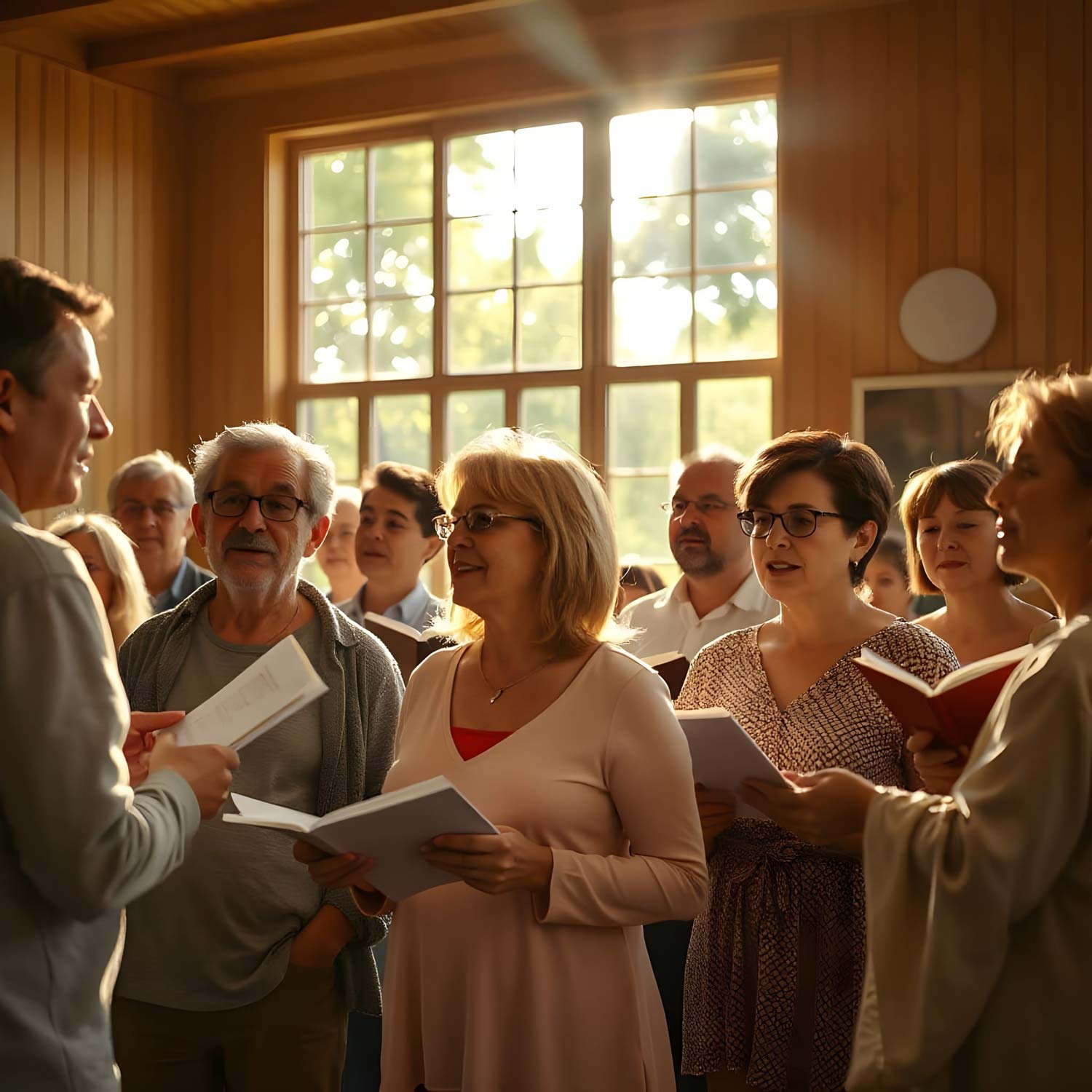
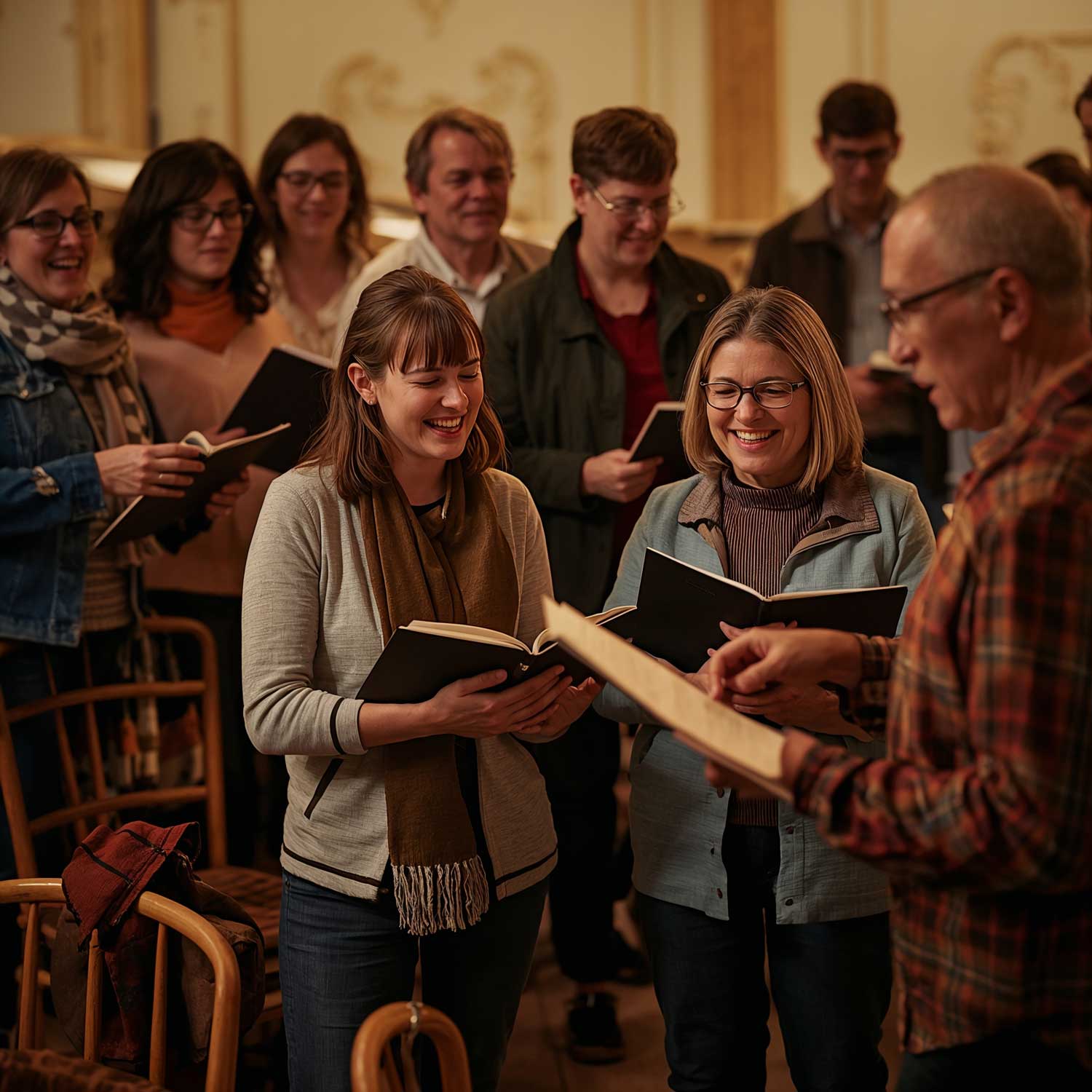
Think about what that actually means in practice. Every singer who walks into a TheatreSong rehearsal in Gata de Gorgos on a Monday evening has already worked a full day. They have driven or walked there in the dark, in the heat, in whatever weather the Costa Blanca has decided to throw at us that week. Nobody is paying them. There is no contract, no agent, no dressing room with their name on the door. They come because they want to be there, and that wanting is not a lesser form of commitment. In many ways, it is a purer one.
A touring professional is being paid to perform. That is not a criticism; it is simply the arrangement, and professional musicians deserve every euro of it for the skill they bring. But the amateur performer on your local stage has made a different kind of bargain. They have given up an evening they didn't have to give up, learned a part nobody was forcing them to learn, and stood in front of an audience with nothing to gain except the experience itself. When you watch someone perform under those conditions, you are watching commitment in its most honest form.
What professional shows can't offer you
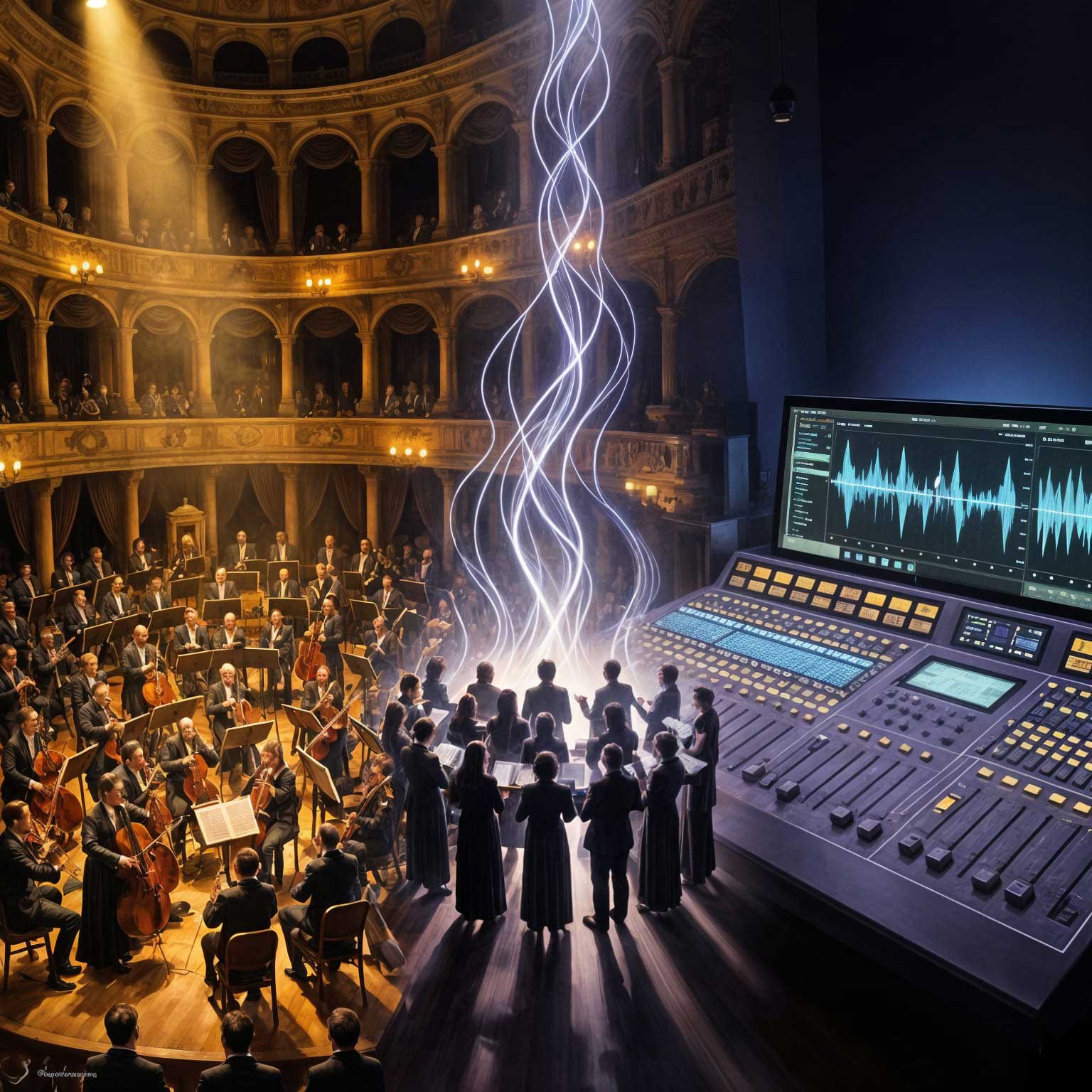
I love professional theatre, and I love a big touring production as much as anyone. But there is something a professional show structurally cannot give you, and it isn't a flaw in professional music; it is simply a different product.
When you watch a touring cast, you are watching strangers. Talented strangers, often extraordinary ones, but people you will never see again outside a programme. When you watch your local choir, you are watching your neighbour, your dentist, the woman who runs the bakery near the roundabout, the man who sat next to you at the bar last week. You know their story. You know that the tenor with the shaky top note broke his wrist skiing in January and has been rehearsing one-handed ever since. You know the soprano lost her husband last year and singing was the thing that got her out of the house again.
That knowledge changes what you hear. Research into group singing has consistently found that singing together lowers stress and lifts mood far more than singing alone or simply listening does, and that the effect kicks in remarkably fast. Choirs have been shown to help people feel connected to a group almost as quickly as if they had known each other for years. None of that comes from a recording or a touring show, however brilliant. It comes from shared risk, taken together, in a room you can walk into.
Community is the actual art form
I sometimes think we get the order of things backwards when we talk about amateur music. We treat the performance as the product and the community as a side effect. I would argue it is the other way round. The performance is simply the visible tip of something much bigger, which is a group of people who have chosen to build something together, week after week, for no reason beyond the fact that it matters to them.
Across the four choirs I have the privilege of directing, I see this play out differently every time. Cantãmus is built on four-part harmony and the particular satisfaction of hearing your line lock into someone else's. Canto Mundial brings together singers from a dozen different backgrounds and languages, proving that a shared melody needs no translation. TheatreSong turns musical theatre into something you build all year round rather than rehearse frantically for six weeks. Vall del Pop Singers exists precisely because it asks nothing of anyone except a willingness to show up and sing, no auditions and no reading music required. Different rooms, different repertoire, same underlying truth. Every one of them is a small act of community building disguised as a concert.
The audience is part of the deal too
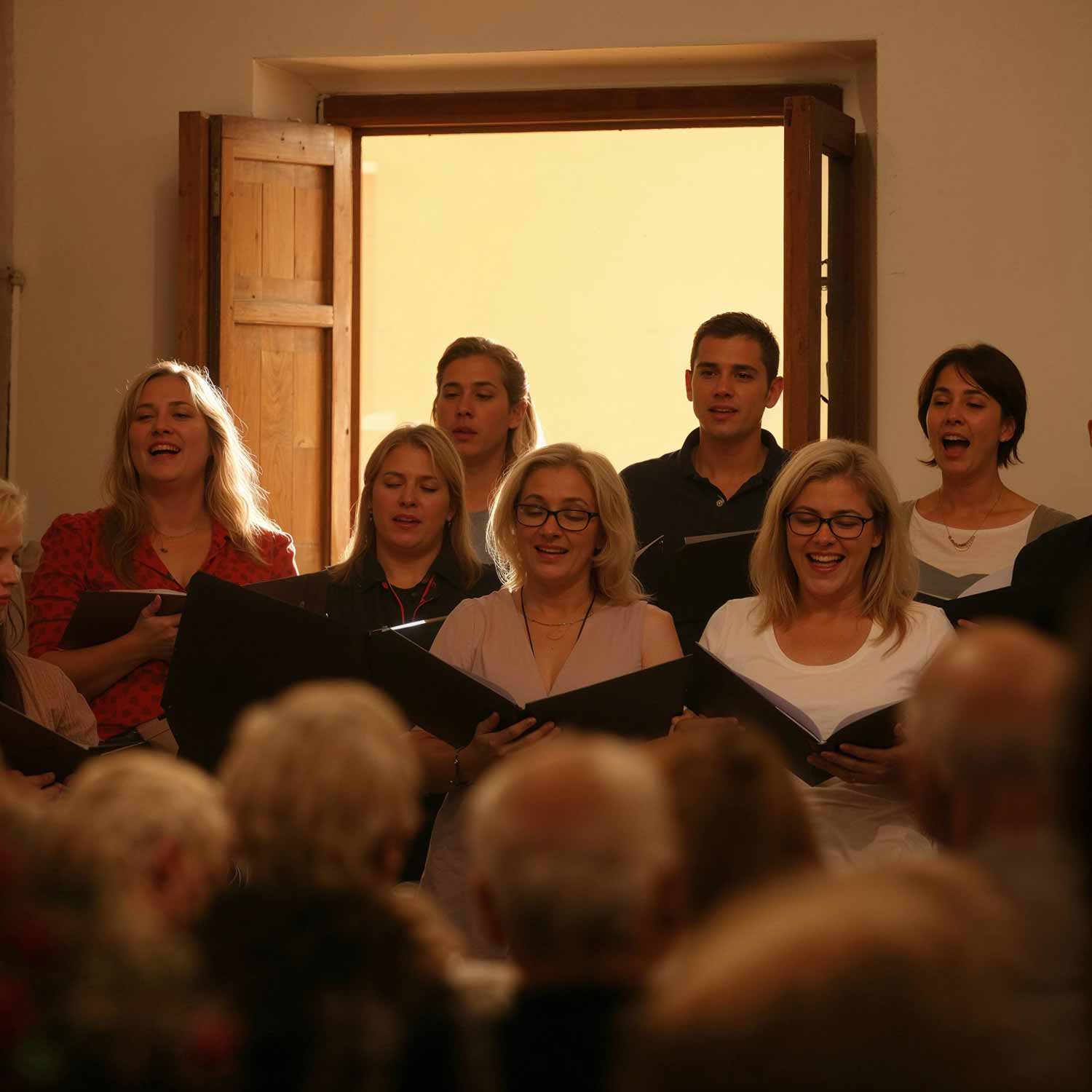
If you have ever chosen to buy a ticket to a local amateur concert instead of a big touring show, I want you to know that choice matters more than you might think. You are not settling for something smaller. You are choosing to be part of an ecosystem that professional touring simply cannot replicate, one where your applause is for someone whose name you might know, whose nerves you can see, whose growth over months and years you have actually witnessed.
Ticket prices for shows like ours tend to be modest, and much of what gets raised often goes straight back into the community, whether that's supporting a local food bank or simply keeping rehearsal spaces open for the next season. When you support amateur music, you are not consuming entertainment. You are investing in the place you live.
Coming up
If any of this has struck a chord, there are plenty of chances to see it in action. All four of my choirs will be back in front of audiences before long, and every single one of them is proof of exactly what I have been describing here. Come and see for yourself what love, freely given, sounds like.