It is, without question, the question I get asked most often by singers who want to understand how it all works.
Not "how do you teach harmony?" Not "how do you get a choir to blend?" Not even "what does a musical director actually do?" (though I wrote about that recently, if you're curious). The question is simpler and somehow harder than any of those.
How do you choose what to sing?
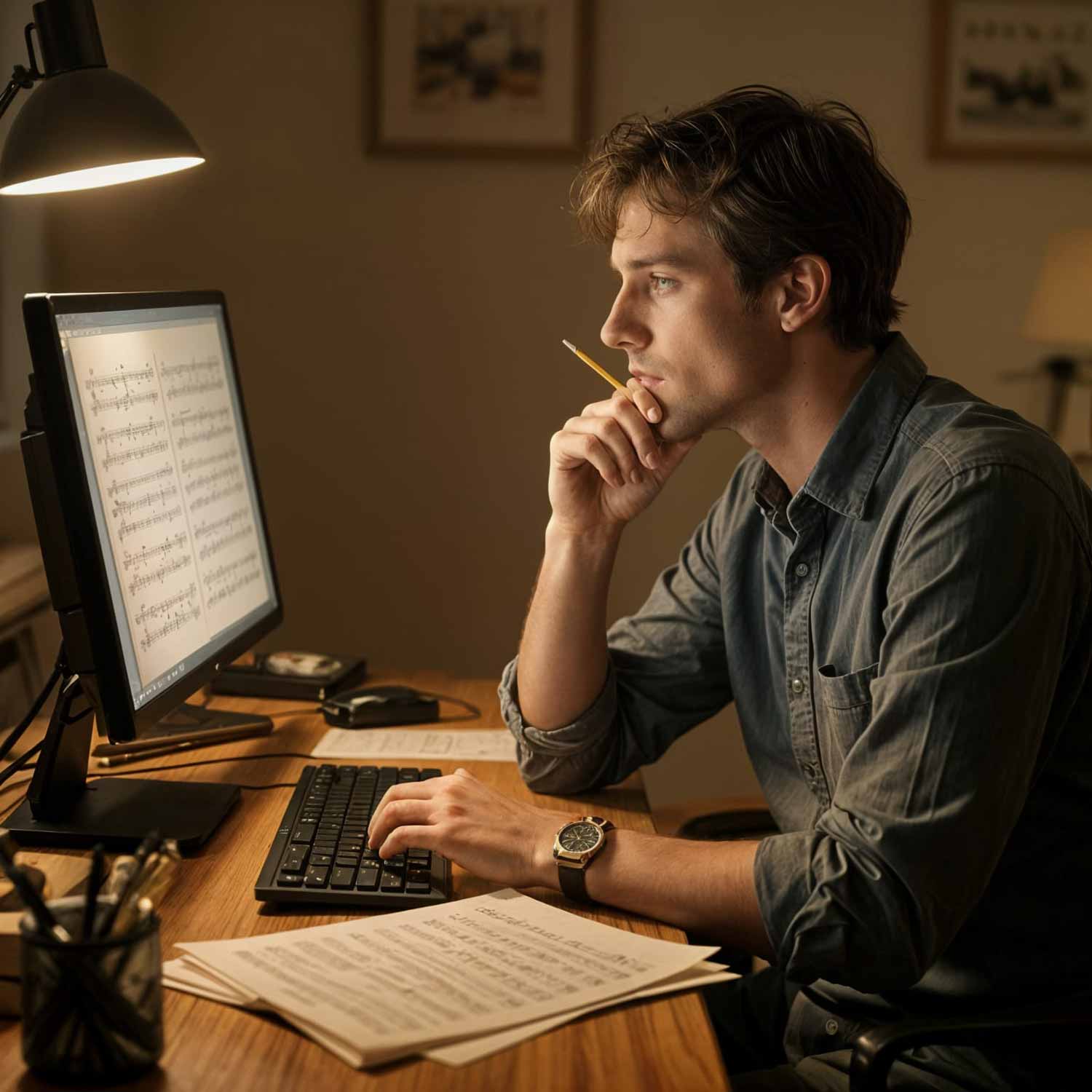
I've been thinking about how to answer that properly, because the honest answer is that it isn't one decision. It's a hundred small decisions, made over weeks, that eventually resolve into something that looks, from the outside, like it was always obvious. Like there was never any other programme possible.
There wasn't. But there very nearly was a dozen different ones.
The Choir Comes First
Before I think about a single song, I think about who is going to sing it.
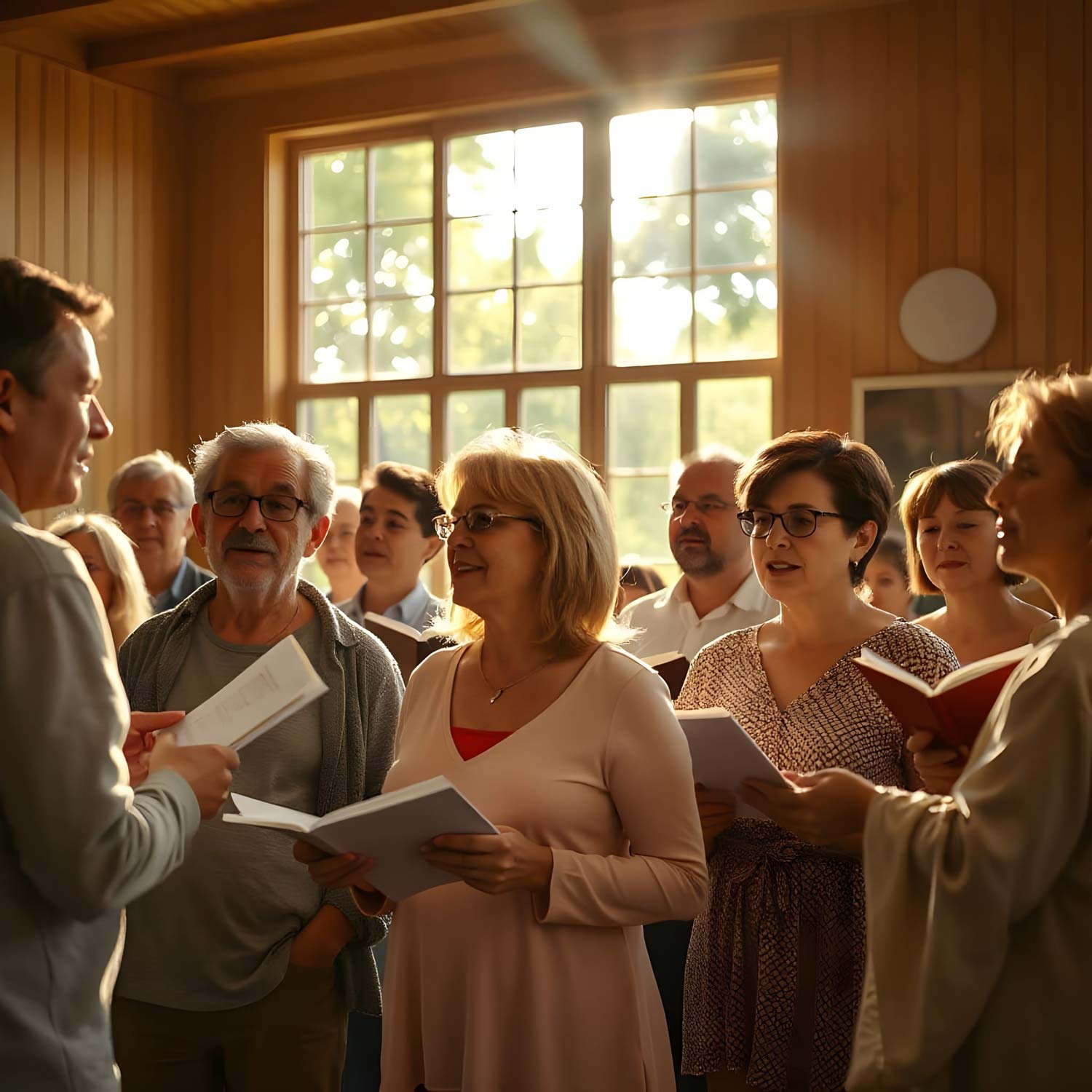
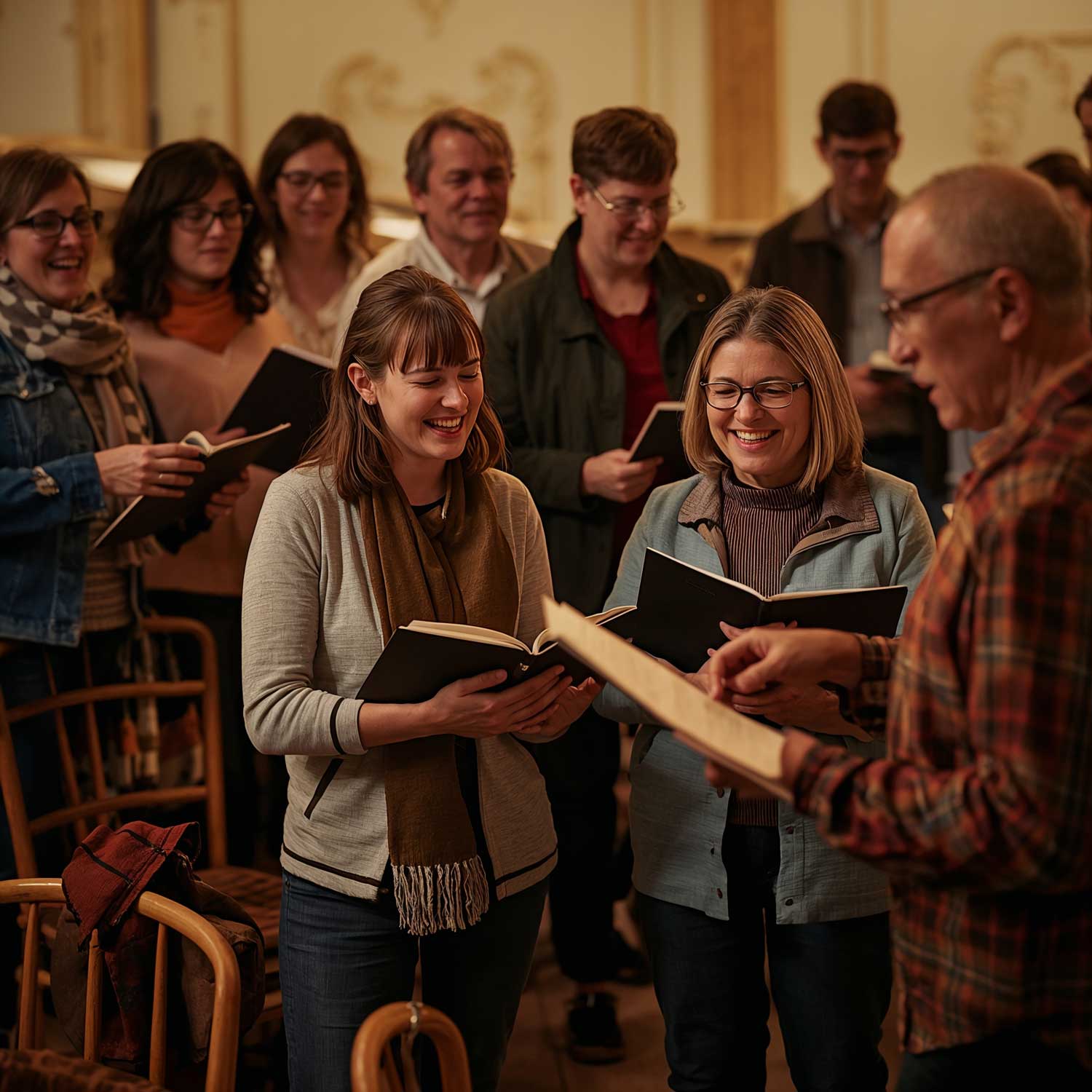
I direct four choirs, and they are four genuinely different ensembles. Cantãmus is a four-part choir, comfortable with harmonic complexity and capable of the kind of blend that makes a quiet chord ring in a stone-walled space. Canto Mundial draws music from across the world and across genres, and what it thrives on is variety and momentum. TheatreSong Collective is exactly what it says: a group built for musical theatre, for characterful performance, for songs that have a story running through them. And the Vall del Pop Singers are a warm, inclusive community choir where joy and accessibility are the point, and where music connects people first and impresses them second.
A song that is perfect for one of these groups might sit completely awkwardly with another. The same melody, the same arrangement, in a different context, with a different ensemble, in front of a different audience, can feel like an entirely different piece of music. So the first question is never "is this a good song?" The first question is always "is this the right song for these singers, in this programme, for this audience?"
No Song Gets Used Twice in the Same Season
This is one of my non-negotiable rules, and I'll explain why it matters.
I run concerts across multiple choirs within a single season. The audiences overlap. Some people will come to more than one concert. Some singers are part of more than one group. And if the same song turns up in two different programmes across the same few months, something is lost. The music starts to feel like inventory rather than intention. Like I've run out of ideas, or I'm recycling what worked before.
More than that: it asks the choir to do something they shouldn't have to do. A piece of music belongs to the group that has spent weeks learning it, shaping it, finding out how to make it theirs. The moment you repeat it elsewhere in the same season, you dilute that ownership. And that matters to singers, even if they couldn't always put it into words.
So at the start of any planning period, one of the first things I do is lay out what's already spoken for. Every choir, every concert, every song that's currently in anyone's programme. And the new pieces have to find their way around all of that.
There's Crossover, and There Are Songs That Belong to One Group
Some songs exist in the overlap between choirs. A well-known musical theatre number might be perfectly suited to TheatreSong Collective, but could also be arranged to work beautifully for Cantãmus or Canto Mundial, depending on the concert theme. When a song sits in that territory, I have to decide who gets it this season, and I flag the others as options for a future programme.
But there are also songs that really, truly, belong only to one group. Not because they're better or worse, but because they're right for that specific ensemble and no other. A deeply characterful comedy number with individual spoken moments is for TheatreSong Collective and nobody else. A piece of traditional choral music with dense four-part counterpoint is for Cantãmus, full stop. A song in Spanish, or Portuguese, or another language that connects to Canto Mundial's identity is reserved for that choir, because placing it elsewhere would feel like an odd transplant.
Getting clear on which songs are universal and which songs are specific saves a lot of time further down the line. And it means each choir ends up with a programme that genuinely reflects who they are, rather than a best-available selection of whatever was left over.
The Theme Shapes Everything
Once I know what choir I'm programming for, the next thing I need is a theme. Not just a title for the concert, though that matters, but a genuine guiding idea. A lens through which I can look at every potential song and ask: does this belong?
A theme isn't a straitjacket. Some of my favourite moments in a concert are the songs that seem, on the surface, to sit at an angle to the theme, and then reveal themselves, once you hear them in context, to fit perfectly. That surprise is something you can choreograph, if you understand your material well enough.
But without a theme, the programme becomes a list. And a list is not a concert.
Knowing the Difference Between a Good Song and the Right Song
This is the distinction that took me the longest to really understand, and it's the heart of everything.
There are songs I love. Songs that I've admired for years. Songs where the arrangement is beautiful, the melody is memorable, and any choir that performs it properly will produce something genuinely moving. And sometimes those songs still don't make the programme. Not because they're not wonderful, but because they're not right for this concert, this choir, this season, this audience.
A song might be technically beyond where a choir currently is. A song might be too similar in mood to the two songs on either side of it. A song might have been done so recently that the choir hasn't had time to forget it, and singing it again would feel like going over old ground. A song might be perfect in every way except that it clashes with one of the other choirs' programmes this season, and so it has to wait.
None of that makes it a bad song. It just means it's somebody else's song right now, or next year's song, or another venue's song. The right piece of music has to arrive at the right moment.
The Moment It Clicks
There is always a moment, somewhere in the planning process, when the programme stops being a list of possibilities and becomes a real thing. You can feel it. You look at what you've assembled and the shape is there. The opening that draws an audience in. The moment of unexpected gentleness in the middle. The build toward something that sends them home feeling like they've been somewhere worth going.
When that moment arrives, the planning is done. Not because every question has been answered, but because the right questions have been. The rest is rehearsal.
And if the choices have been made well, the audience will never have to know any of this happened. They'll just sit back, listen, and think: what a wonderful programme.
That, in the end, is exactly what you're aiming for.