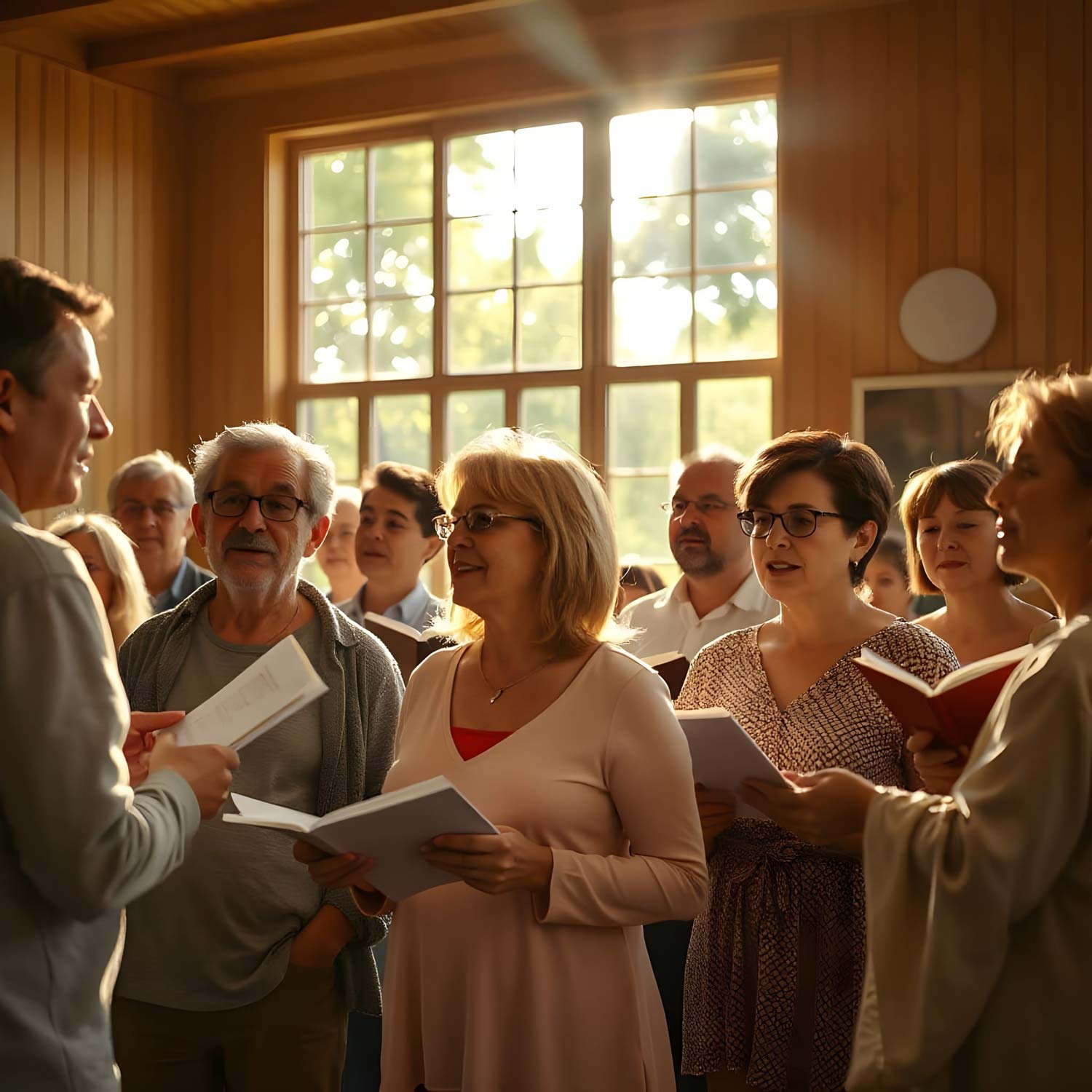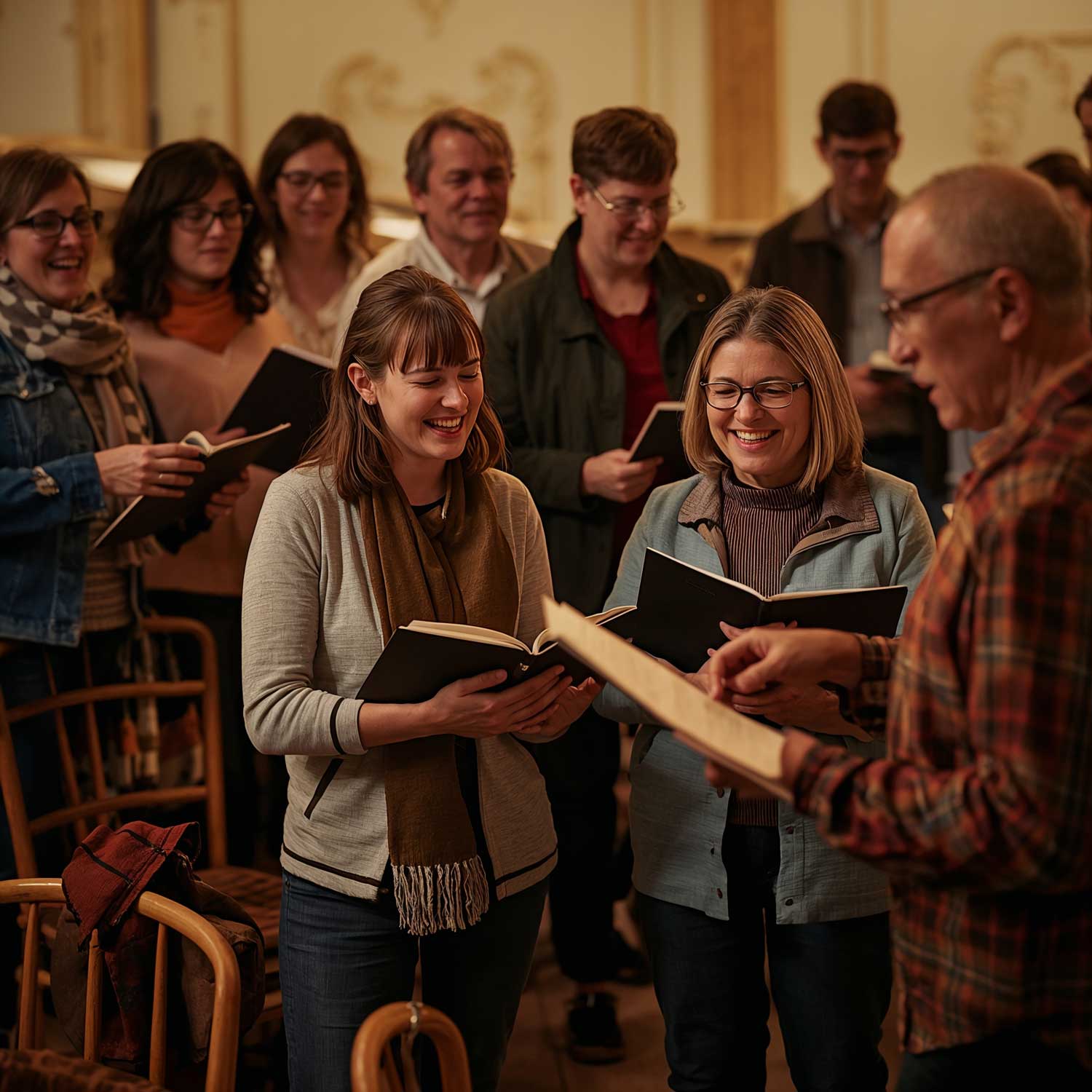
People often picture a musical director standing in front of a choir, arms raised, guiding the sound like a director in a film. That image is real enough. It is also a tiny fraction of the job.
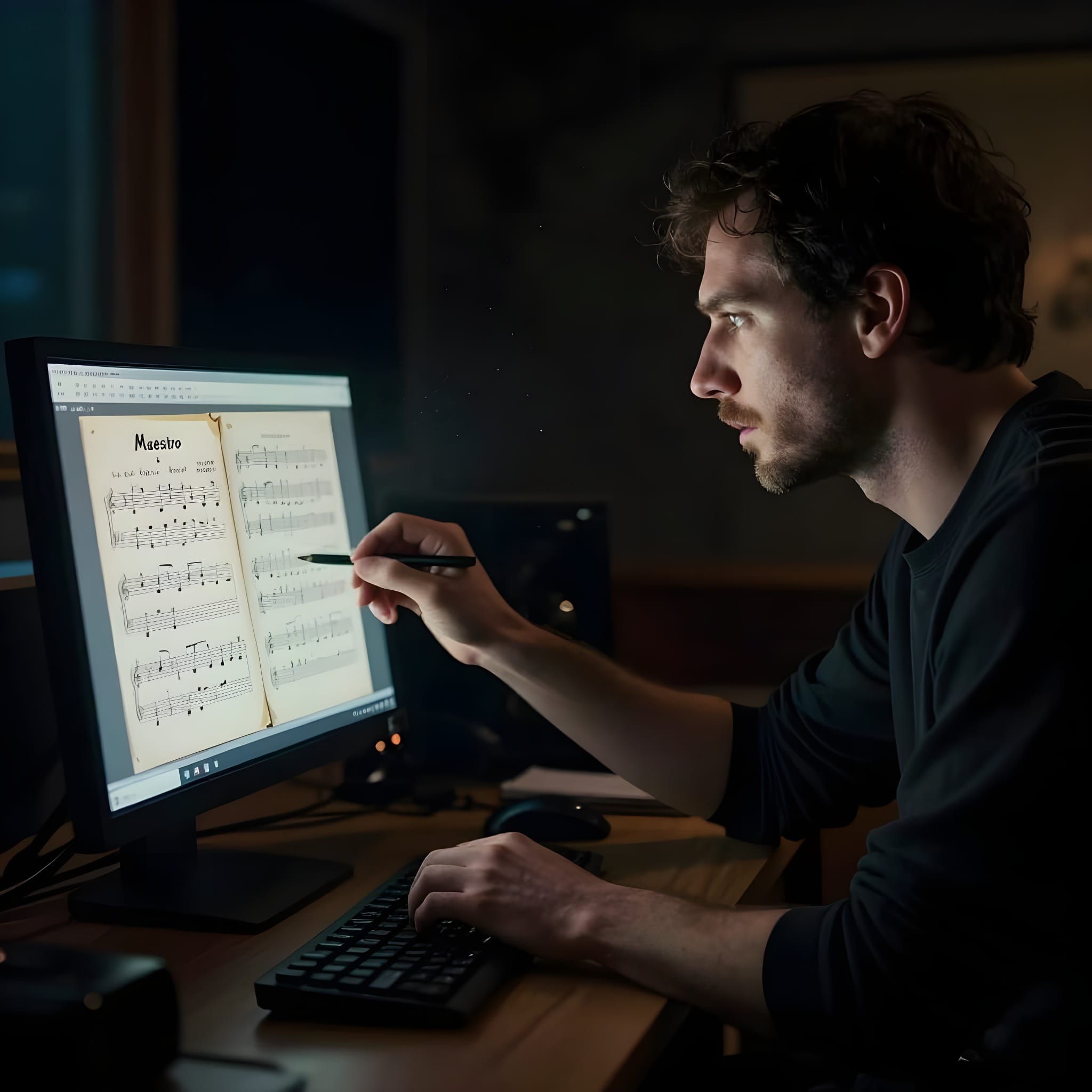
The truth is that most of my work as a musical director happens nowhere near a rehearsal room. It happens at my desk late at night, headphones on, listening to the fortieth version of a song I already know by heart, trying to hear it as if I have never heard it before. It happens in quiet conversations with singers before or after rehearsal, when someone needs a word of encouragement or simply needs to be heard. It happens in the choices I make about what a choir sings, why they sing it, and how it will land with an audience who has heard that same song a hundred times before.
Finding the Music Behind the Music
Every choir I direct sings well-known material at some point. Familiar songs bring people through the door and give an audience something to hold onto. The challenge is keeping that familiarity from becoming predictability.
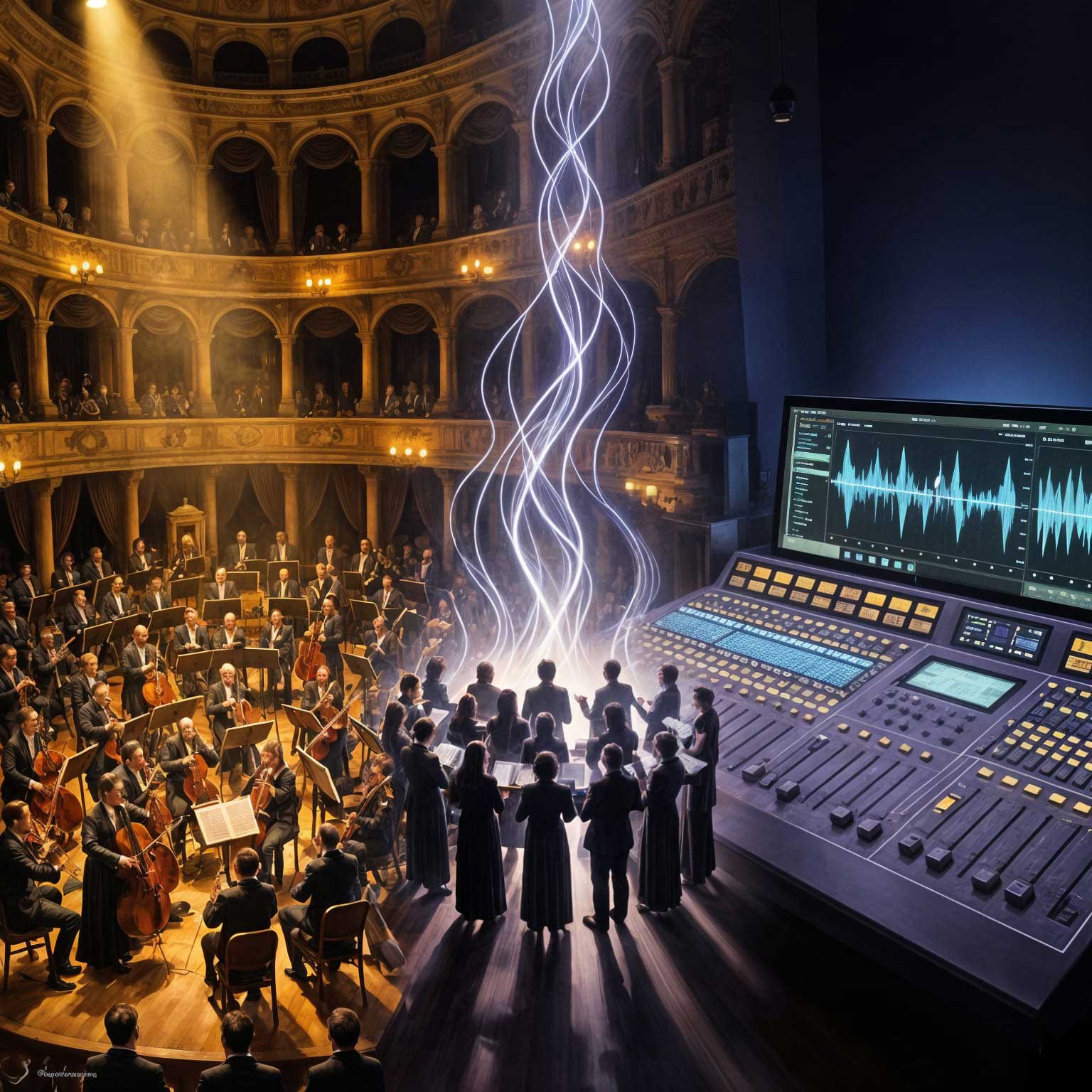
This is where a huge amount of my time goes, and it is invisible to almost everyone. I spend hours searching for arrangements that take a song people think they already know and reveal something new inside it. A different key can shift the emotional weight of a piece entirely. A reharmonised bridge can turn a song from pleasant into unforgettable. Sometimes I find an arrangement that does exactly what I am looking for. More often I find pieces of several arrangements and stitch them together, or I write out new voicings myself until the piece feels right for the singers I have in front of me and the audience I am hoping to move.
None of this is about being clever for its own sake. It is about respect, for the song, for the singers who will spend weeks learning it, and for the audience who deserves more than a note-for-note copy of something they could find on a karaoke track. Programming a concert is a bit like curating an exhibition. Every piece needs to earn its place, sit well next to its neighbours, and build toward something that feels whole by the final number.
The Pastoral Side Nobody Talks About
Conducting is a technical skill. Leading a choir is a human one.
Choirs are made up of people carrying whatever their week has handed them. Someone arrives having just had a difficult diagnosis. Someone else is nervous about a solo they have never sung before. Someone is grieving. Someone is lonely and the choir is the one place in their week where they feel part of something. A musical director learns to notice all of this without being told, because most singers will never say it out loud in the middle of rehearsal.
Part of my job is making sure rehearsal feels safe enough that people can show up as they are. That might mean quietly checking in with someone during a break. It might mean adjusting a rehearsal plan on the fly because the room needs something lighter that evening. It might mean simply remembering that a singer's mother was unwell last week and asking how she is doing now. These moments rarely make it into a programme note, but they are the glue that holds a choir together far more than any vocal warm up ever could.
The Relationship With Singers
I think often about the trust a singer places in a musical director. They are handing over their voice, their confidence, and often a piece of their identity, and trusting that I will use it well. That trust has to be earned continuously, not assumed.
Good direction means knowing when to push someone gently past what they think they can do, and knowing when to hold back and let confidence grow at its own pace. It means hearing forty voices at once and still noticing the one person who has gone quiet because they are struggling with a passage, then finding a way to help without singling them out. It means celebrating the moment a nervous singer finally nails a solo they have been dreading for weeks, because that moment matters as much to me as any standing ovation.
Over time these relationships become the real reward of the job. Watching someone who joined a choir terrified of singing in public stand up and lead a section with confidence is worth more to me than any review or ticket sale.
Why the Hours Are Worth It
There is a version of this role that stops at learning notes and keeping time. I have never been interested in that version. The hours spent hunting for the right arrangement, the quiet conversations after rehearsal, the care taken over how a programme flows from one piece to the next, all of it adds up to something an audience feels even if they could never name it.
When a concert works, when a room full of people leans forward at exactly the right moment or wells up during a song they thought they knew inside out, that is the payoff for every late night spent comparing arrangements and every small act of care given to a singer who needed it. The baton is just the visible part. Everything that matters most happens long before I ever raise it.